Optimized casino har
Optimizing Casino Hardware for Gaming
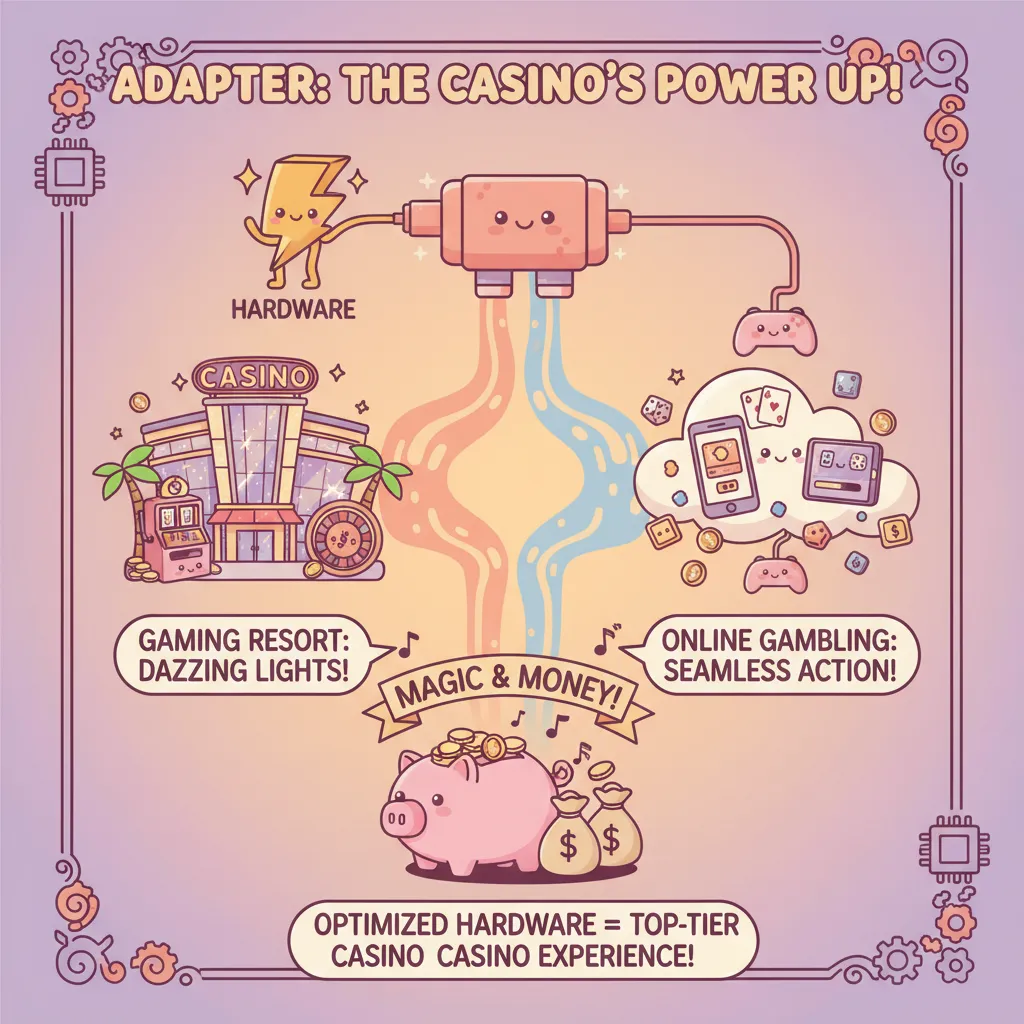
When we talk about a top-tier casino experience, whether it's the dazzling lights of a physical gaming resort or the seamless action of an online gambling platform, the magic—and the money—relies on an invisible backbone: supremely optimized hardware. It's easy to get swept up in the glamour of the games themselves, but for operators, ensuring that the digital and physical machinery runs flawlessly is the real jackpot. Optimizing casino hardware for gaming isn't just about having the fastest processor; it's a holistic engineering ballet that balances raw computational power, relentless reliability, and ironclad security, all to keep the reels spinning and the cards dealing without a hitch.
Let's break down the core of the operation: the server and compute node. In a modern casino setup, these are the unsung heroes housed in meticulously cooled data centers. Every bet placed, every progressive jackpot ticker updated, and every provably fair game outcome generated happens here. Optimization starts with the system board, the central nervous system that connects everything. Choosing a board with robust power delivery and ample connectivity for expansion adapter cards is crucial. From there, populating it with high-speed, error-correcting DIMM modules ensures that massive, real-time data from the casino game library is accessed instantly, preventing any lag that could frustrate a player on a hot streak. The processor itself needs to be a workhorse, capable of handling complex cryptographic calculations for security and physics simulations for modern slots simultaneously. But raw speed generates heat, and that's where the heat sink and air baffle design become critical. Proper device assembly with strategic airflow guides cool air over these hot components and exhausts it efficiently, preventing thermal throttling that can slow down games. For components that need to be accessed or replaced without shutting down the entire system—a must for 24/7 operations—hot-swap unit designs for drive arrays and power supply modules are non-negotiable. Imagine a storage cage full of high-capacity drives starting to fail; a hot-swap bay allows a technician to replace it without taking a single game offline.
Speaking of storage and security, this is where optimization gets really specialized. Casino operations demand a fortress-like approach to data. Utilizing a high-performance RAID adapter is standard practice to combine multiple drives into a single, fast, and redundant array. This protects game data and financial records from a single drive failure. But beyond redundancy, there's encryption. A dedicated cryptographic module, often a hardware security chip on the system board or an add-in card, offloads the intense processing required for encrypting every single transaction and communication. This is vital for securing digital payment systems and protecting sensitive player information during the KYC process. Furthermore, with the rise of blockchain technology in gaming for transparency, the hardware must be capable of efficiently verifying and recording transactions, adding another layer of demand on the compute node. All this hardware lives within a chassis, and its design matters more than you'd think. A well-designed chassis isn't just a metal box; it provides structural support, optimal airflow pathways (using those air baffles), easy access for hardware installation and hardware removal, and secure mounting for all components, from the flash power module that ensures clean, stable power to the CMOS battery that keeps the system's basic settings intact. The front bezel often houses status LEDs and control buttons, allowing for quick visual health checks by technical staff.
Now, how does this backend hardware optimization translate to the player's experience? Directly and profoundly. For the online player, it means lightning-fast game loads, instantaneous response when they hit "spin," and guaranteed fairness because the provably fair games run on auditable, optimized systems. It enables features like instant withdrawal, as the financial transaction systems are backed by robust hardware that can process bank transfer requests and cashback bonuses without delay. For the land-based luxury casino, it powers the thousands of digital slot machines, the complex electronic table game systems, and the vast network of surveillance and customer service terminals. A slow or faulty backplane—the interconnect within a storage cage or server—could mean a bank of popular slot machines freezing, which is a direct revenue loss. Therefore, comprehensive technical support documentation and proactive system maintenance schedules are part of the optimization philosophy. It's not just about building it right; it's about keeping it running perfectly through its entire lifecycle, using detailed guides for every component, from replacing a DIMM to troubleshooting a RAID adapter.
In essence, the glitz of the casino floor and the convenience of the mobile app are just the front end. The true engine of a terkemuka (leading) casino in 2026 is a deeply optimized hardware ecosystem. It’s a symphony of precision-cooled processors, fault-tolerant drives, secure cryptographic modules, and intelligently designed chassis working in unison. This behind-the-scenes excellence ensures game integrity, secures financial data, and delivers the seamless, thrilling experience that players expect, making hardware optimization not just an IT task, but a core business strategy for any serious player in the casino gaming industry.